
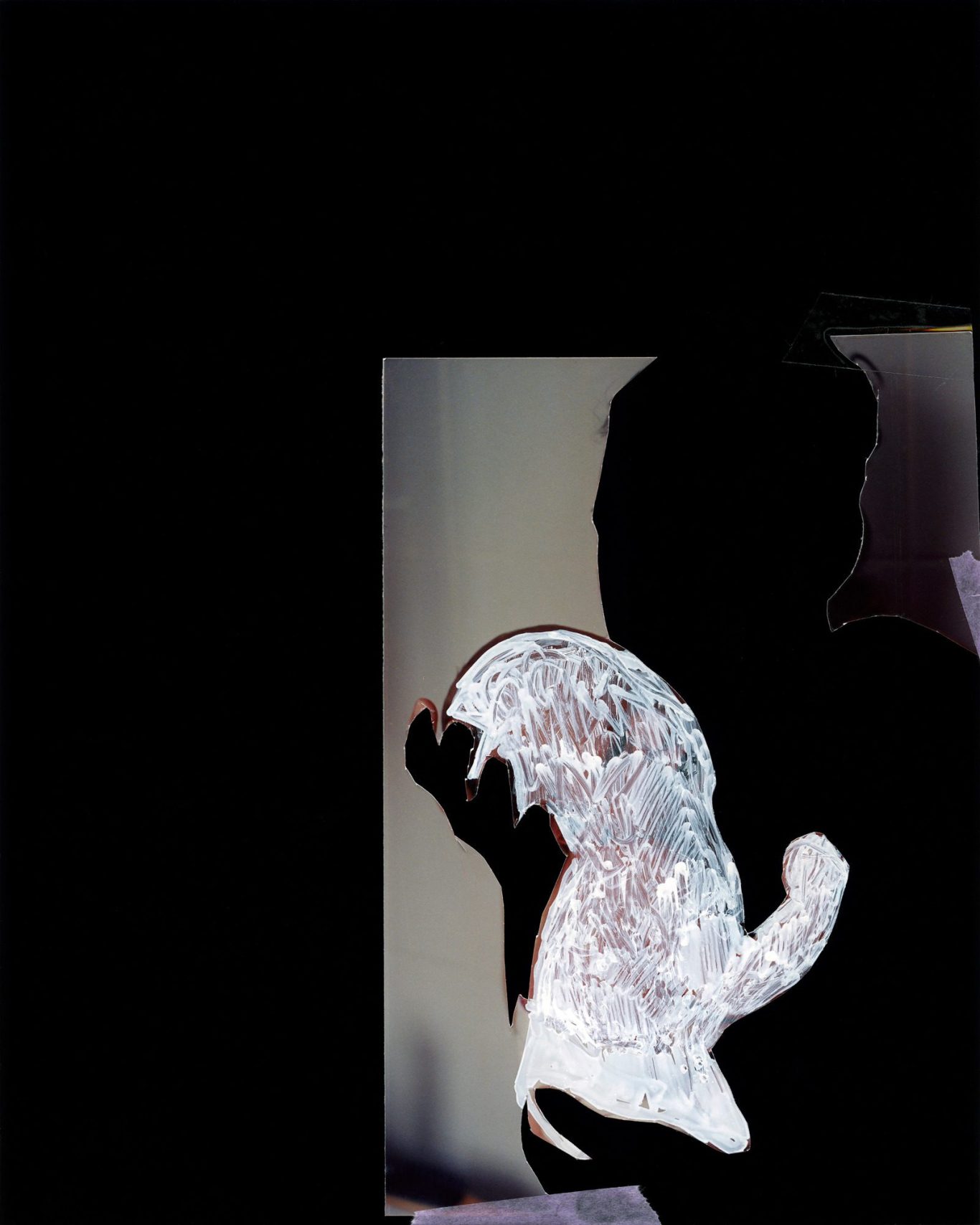
Untitled, 2025, collage, photographic paper, c-type print, pigment marker
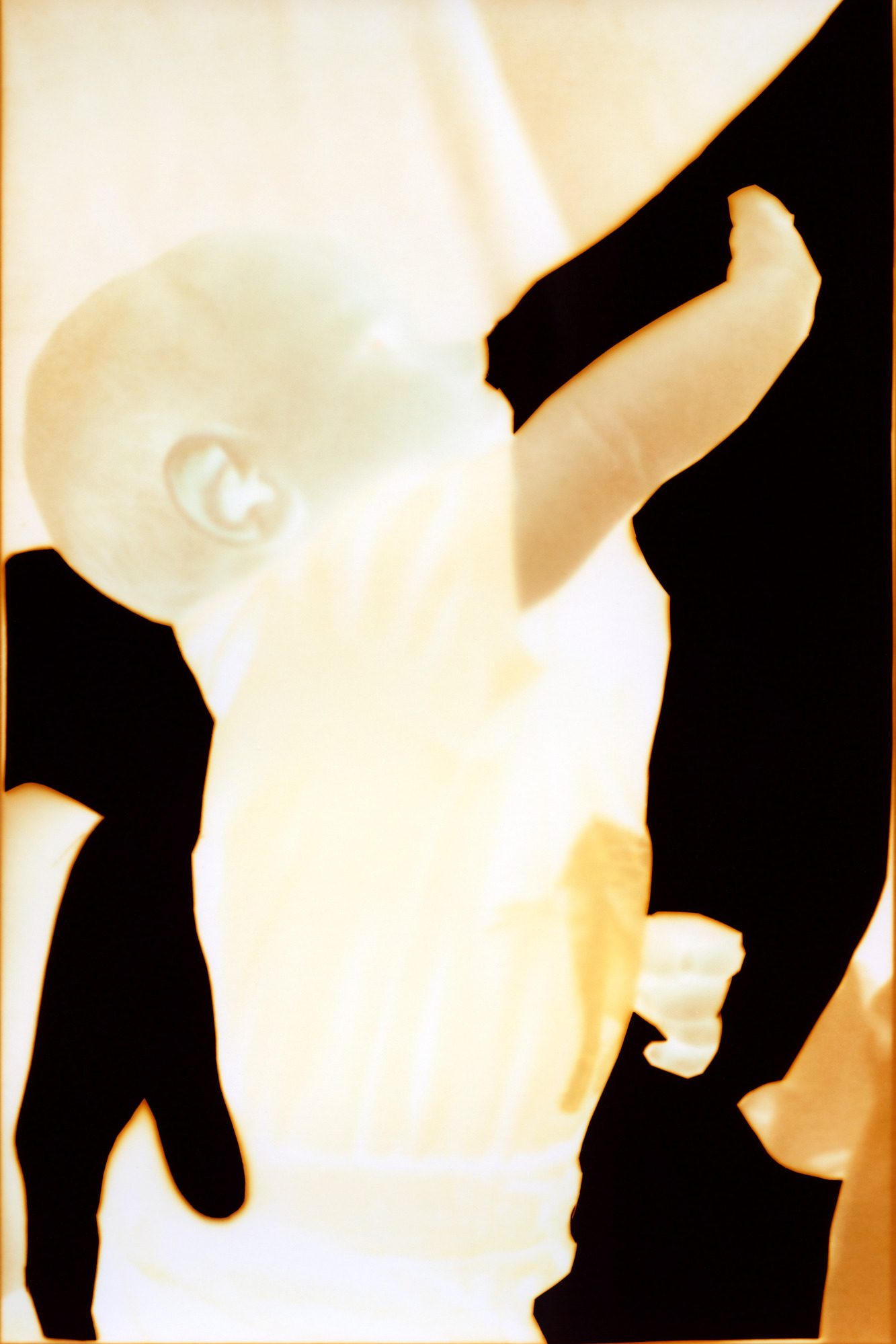
Untitled, 2025, photogram
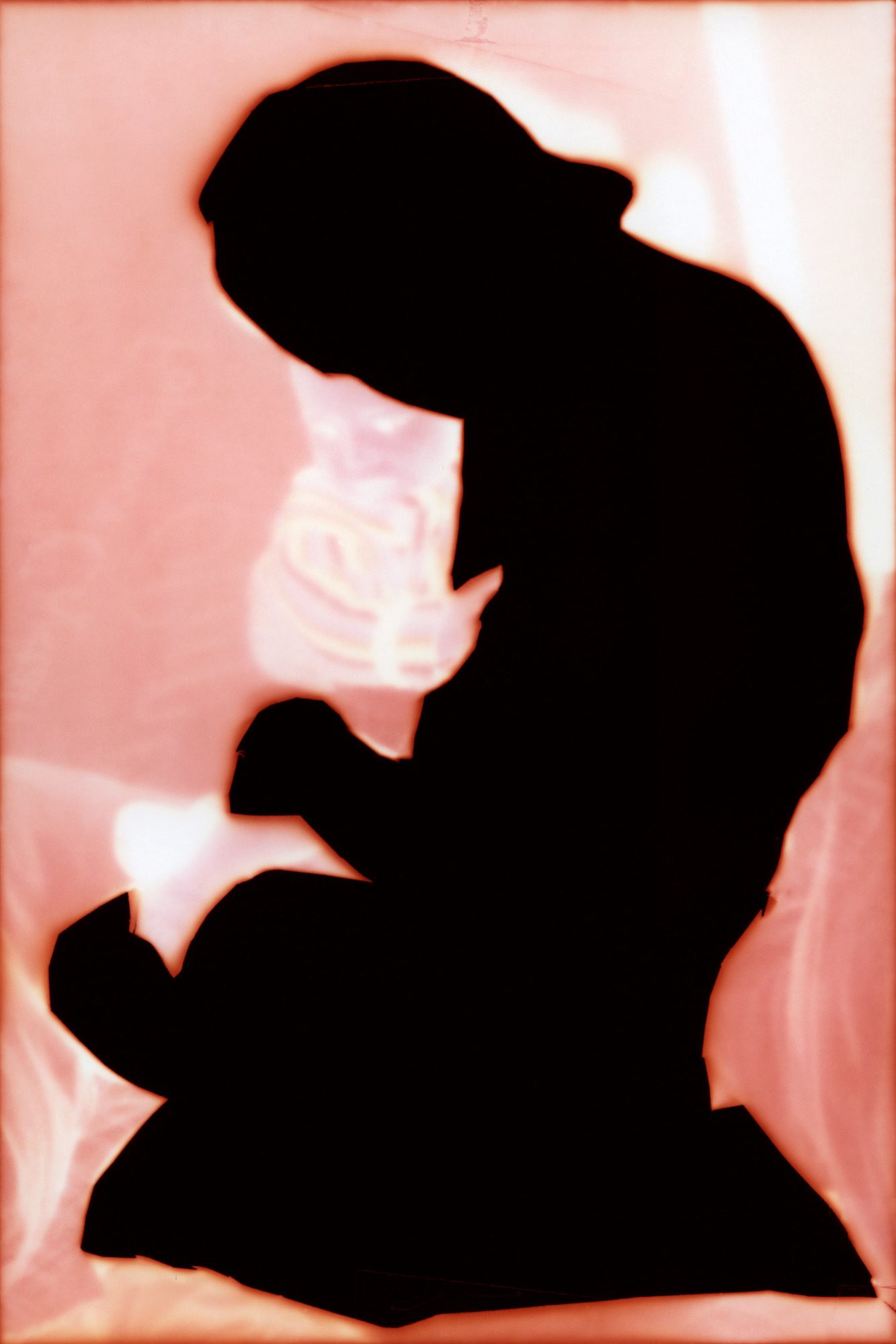
Untitled, 2025, photogram
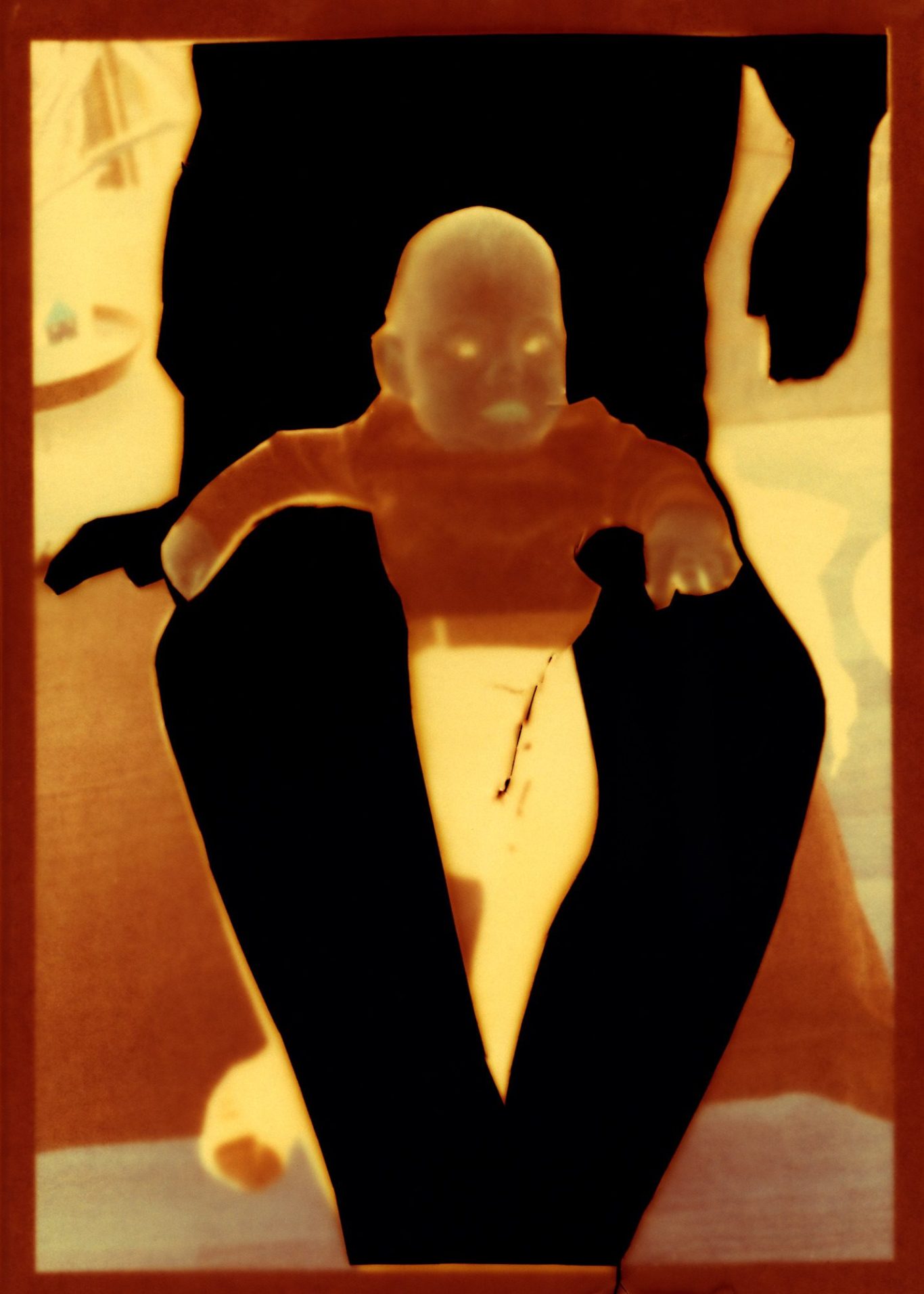
Untitled, 2025, photogram on vintage photographic paper
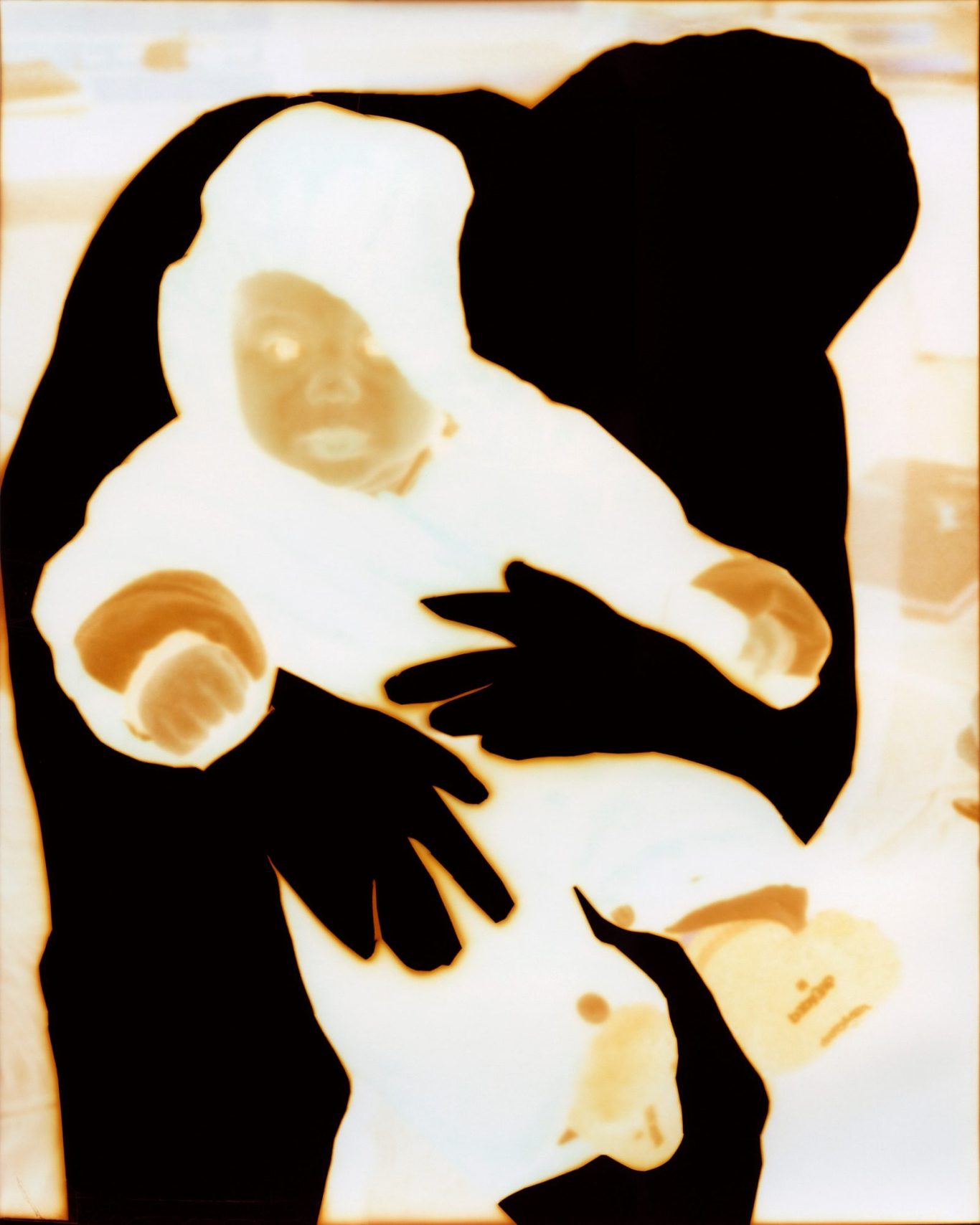
Untitled, 2025, photogram
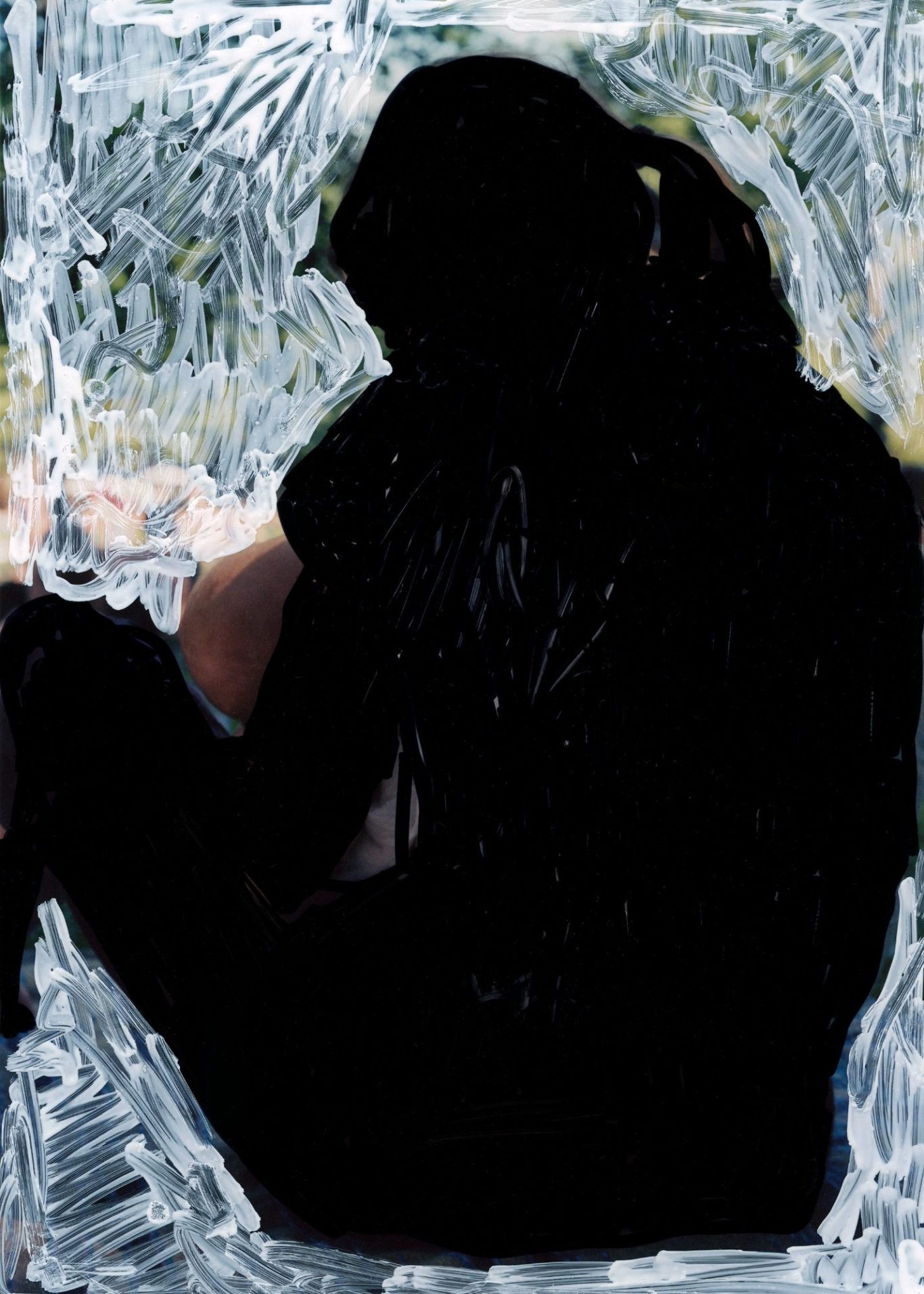
Untitled, 2025, collage, c-type print, permanent & pigment marker
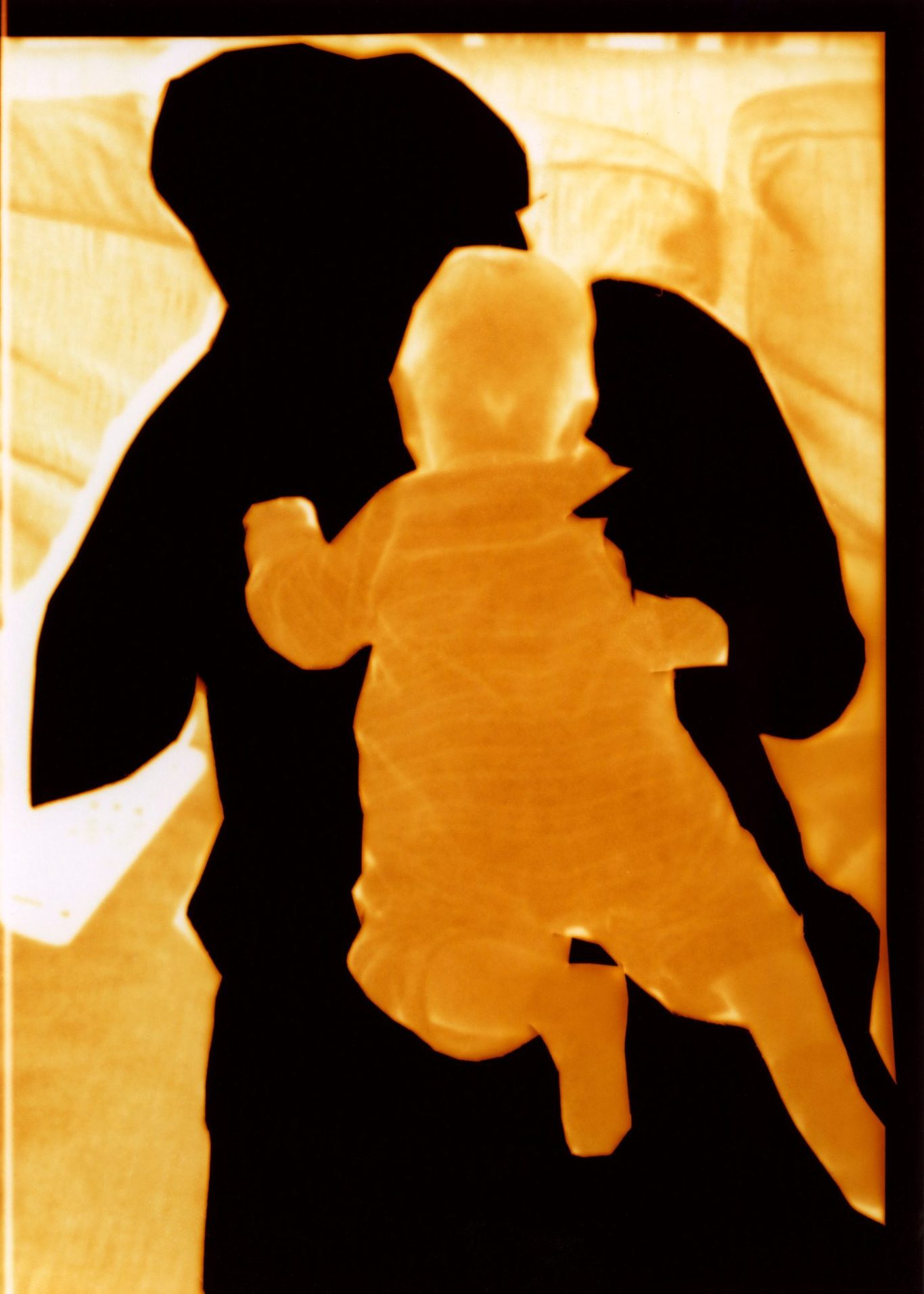
Untitled, 2025, photogram
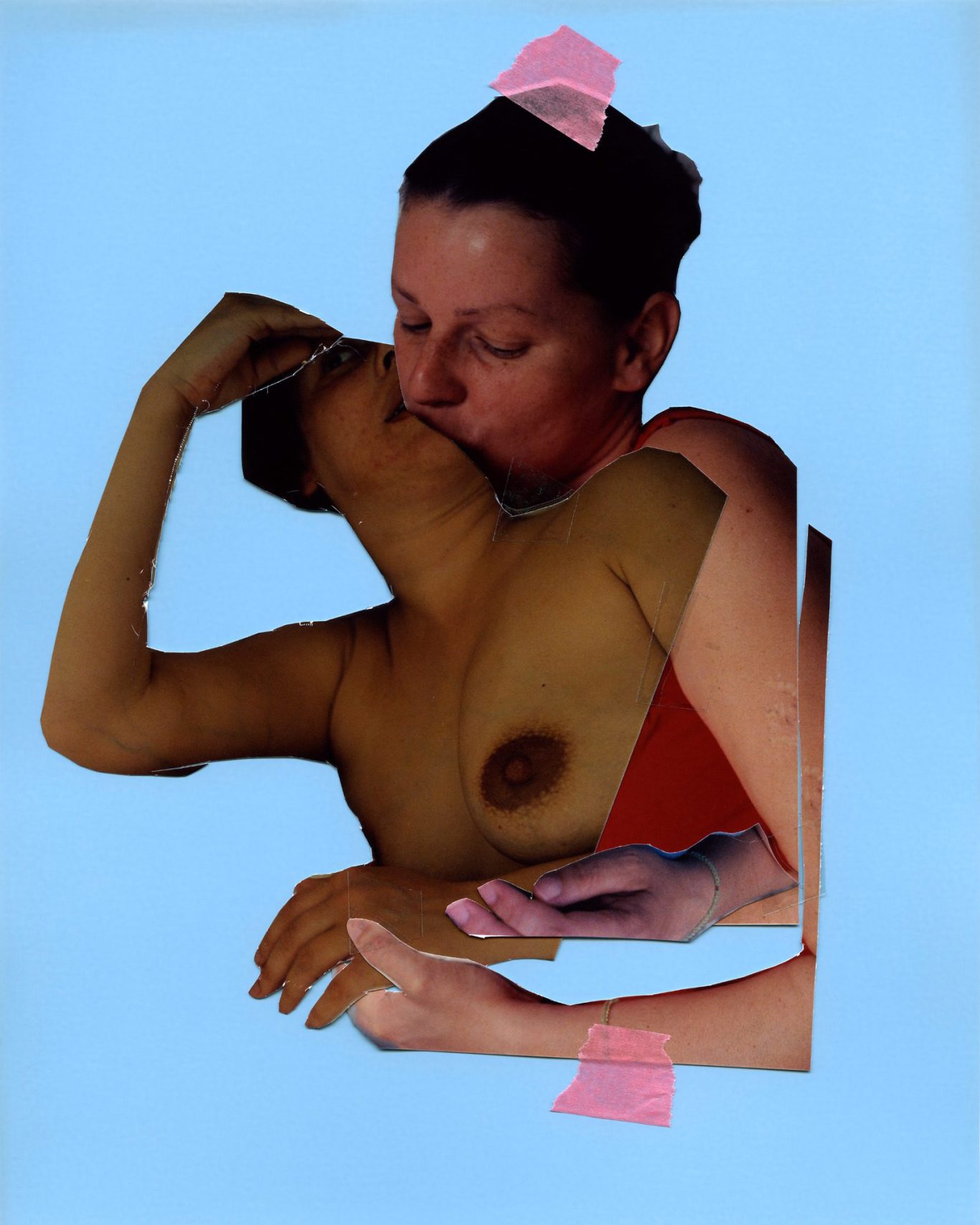
Untitled, 2025, collage, photographic paper, c-type print, washi tape
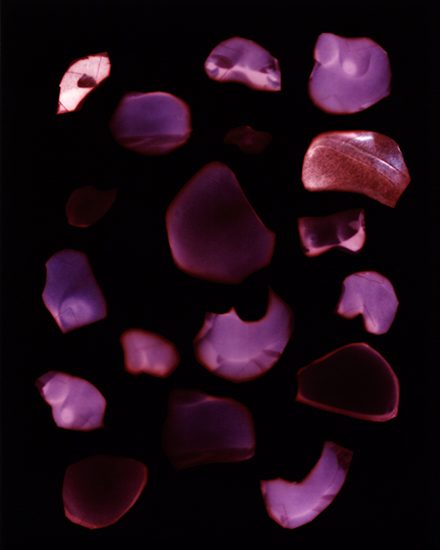
Untitled, 2025, photogramm
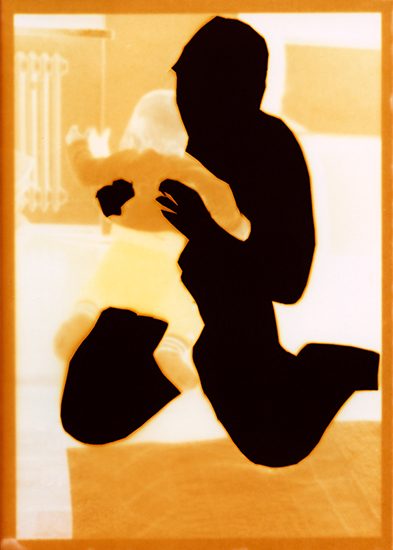
Untitled, 2025, photogram on vintage photographic paper
Untitled, 2025, collage, c-type print, permanent & pigment marker
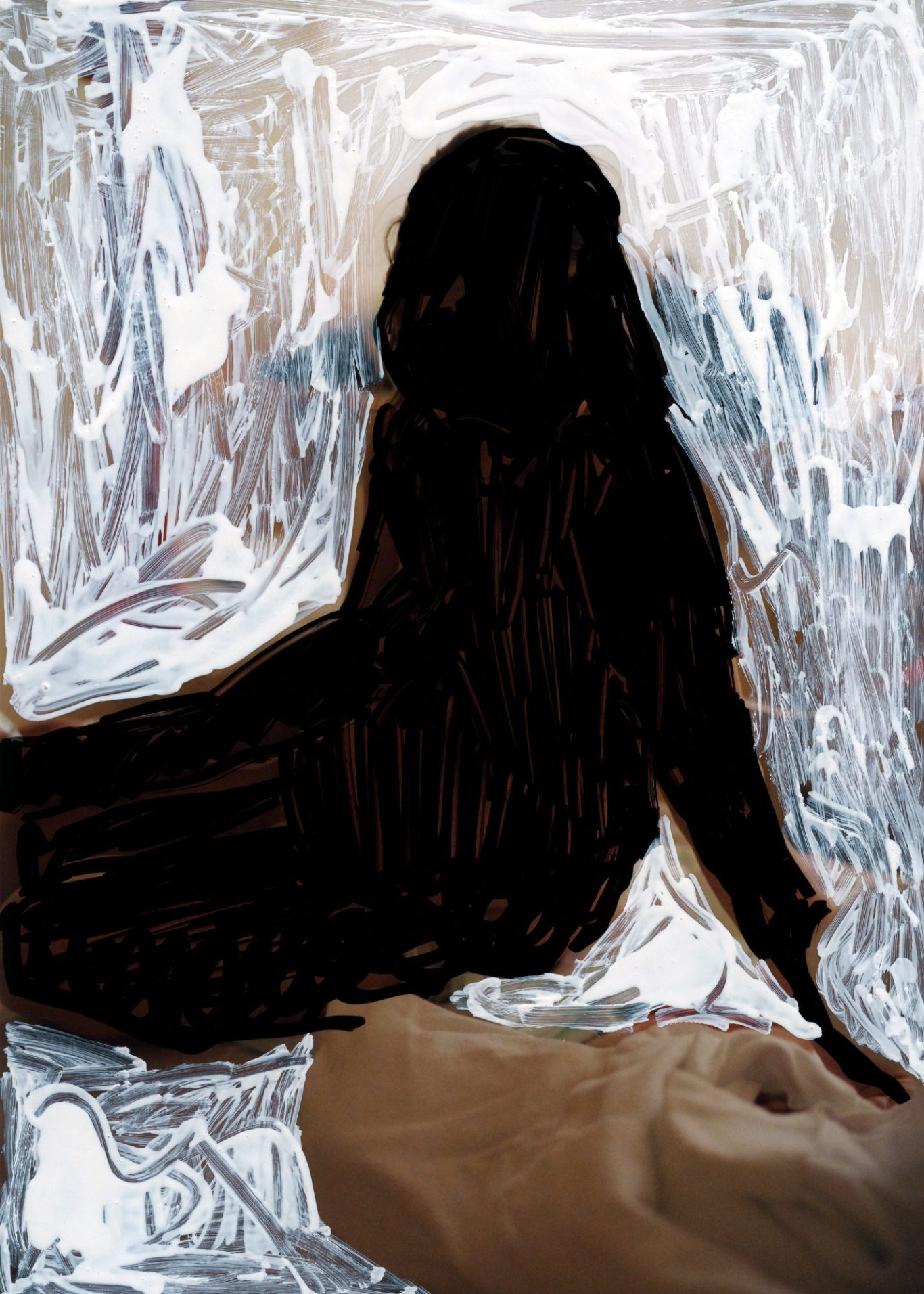
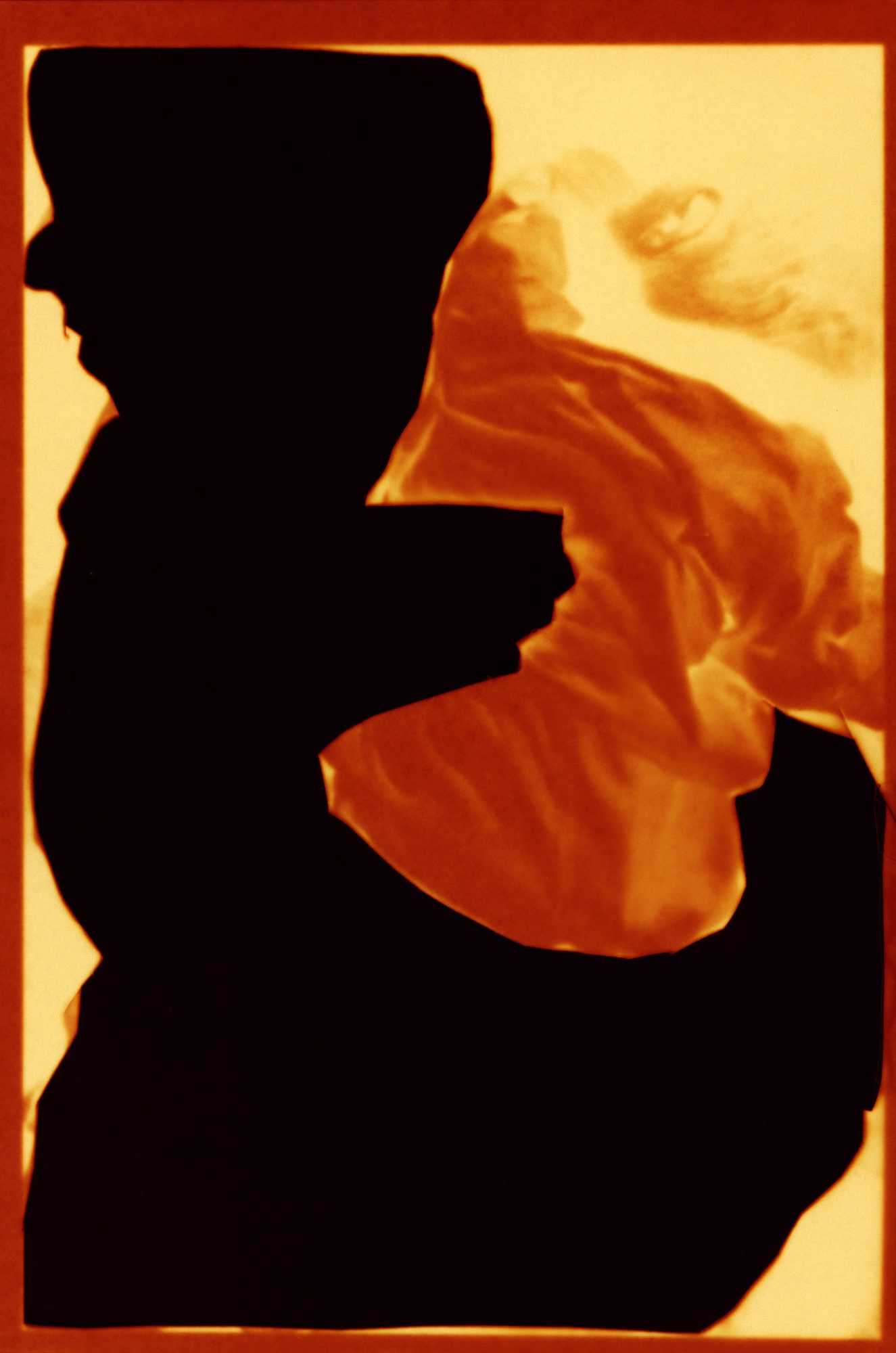
Untitled, 2025, photogram on vintage photographic paper
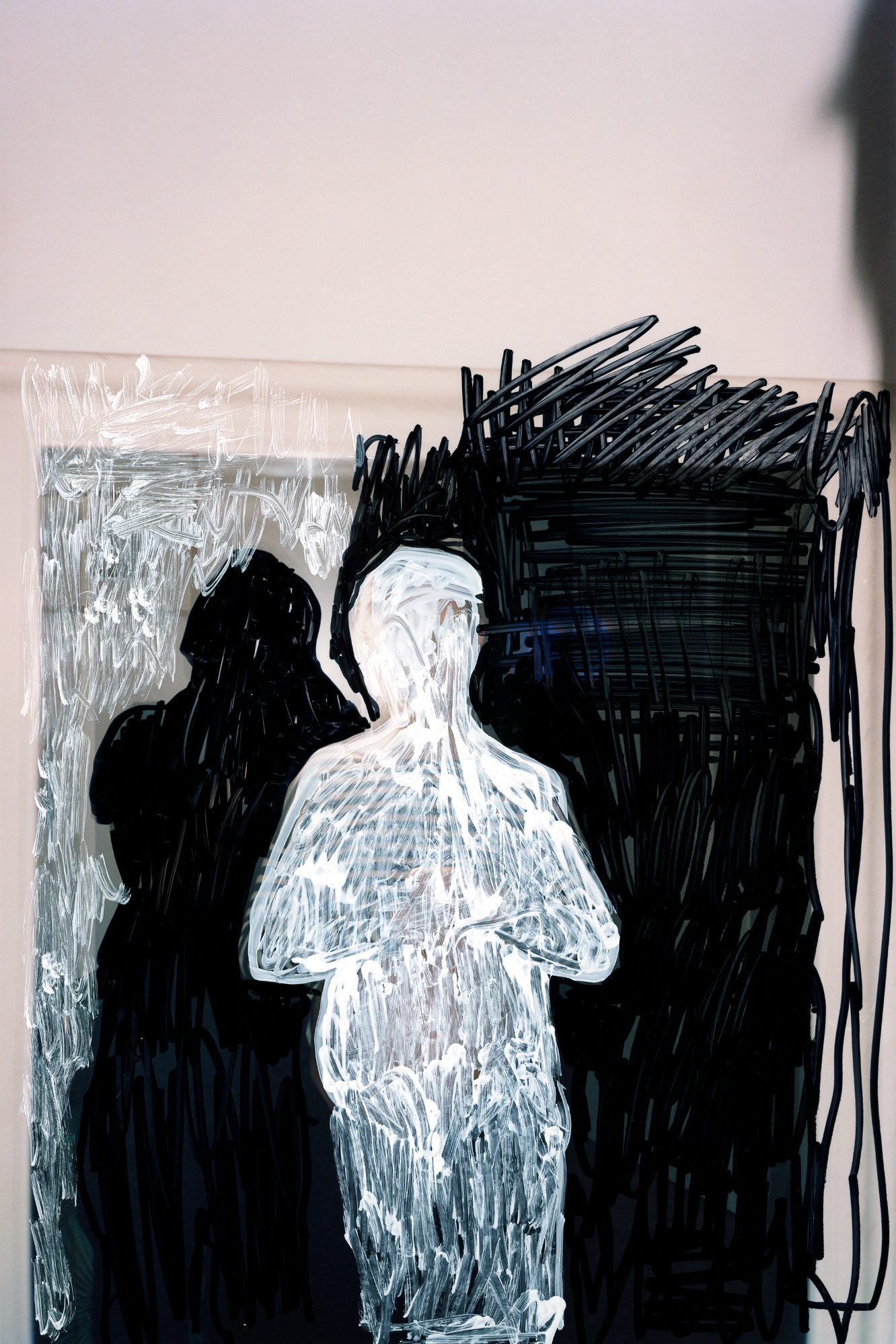
Untitled, 2025, collage, c-type print, permanent & pigment marker
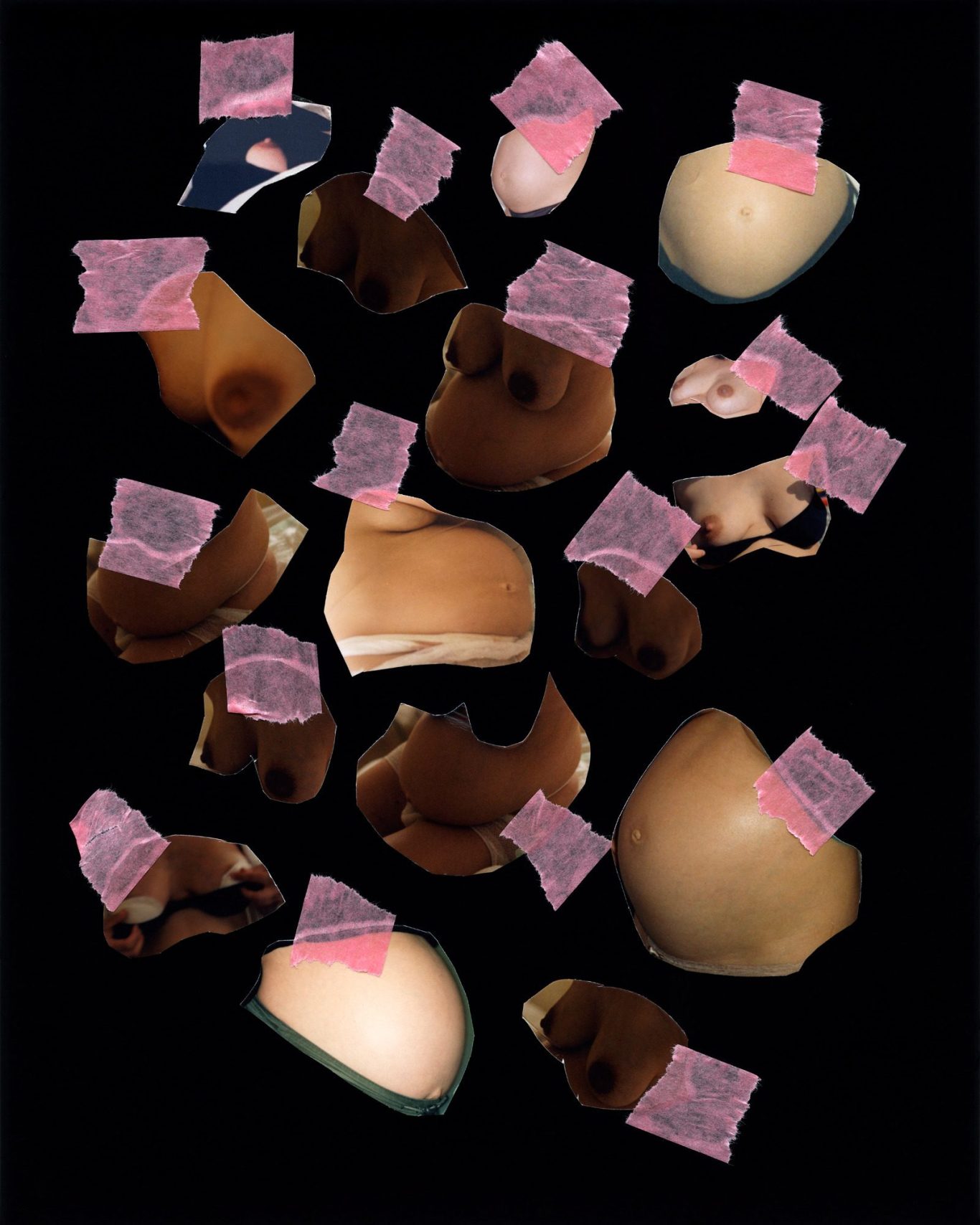
Untitled, 2025, collage, photographic paper, c-type prints, washi tape
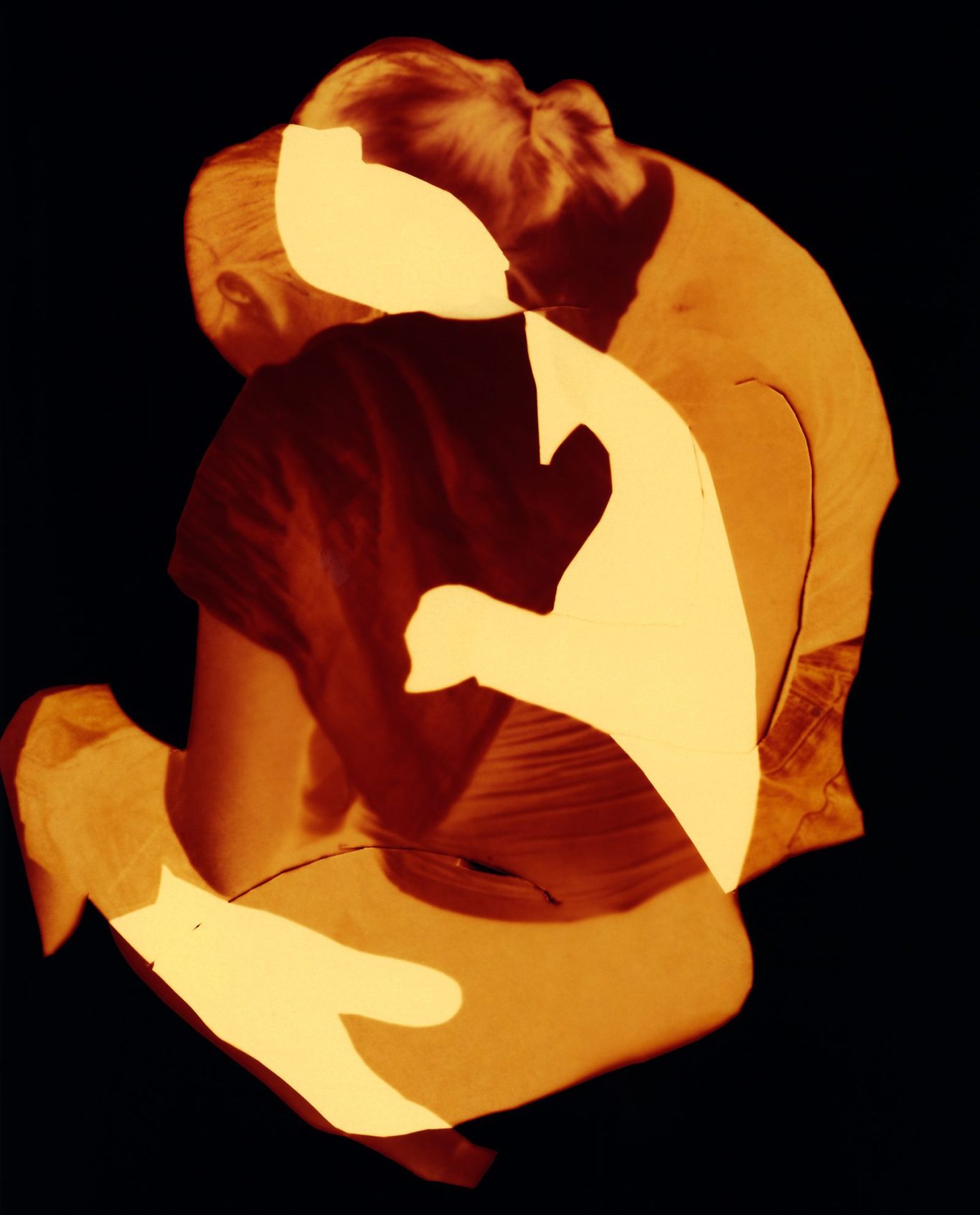
Trost, 2025, photogram on vintage photographic paper
Mothering (the mother), 2025
Mothering (the mother) is an exploration of motherhood based on photographs from my archive and private family albums. I use captured scenes from everyday life with my children. By cutting, collaging, re-layering and overpainting memories, different perspectives and times merge. New images and narratives emerge.
Initiated by the departure of our last child, Mothering (the mother) addresses central aspects of existence: the experience of motherhood and the ongoing search for one’s own identity. In Richard Linklater’s film Boyhood, the mother says to her son, who is about to leave for college, “What are you talking about?”
The adult children are moving out into the world—that is the circle of life and yet I feel left behind, almost heartbroken. It will never be the same again. Saying goodbye to the naturalness of being together with the children hurts. Life together was so beautiful. There is a gap, an emptiness. I also miss the responsibilities and the structure. What role can I take on when the grown-up children have left home? While combing through my family and private archive, I find not only joy of motherhood, care, love and deep connection in many photographs, but also maternal loneliness, vulnerability, and exhaustion between caregiving, domestic life, and my work as an artist. They also make me realize how much I miss my own mother, who is unavailable, and how much I would have needed her.
Sifting through my archive and revising it helps me to express and bear the ambivalence of motherhood more clearly. It will probably stay with me at times.